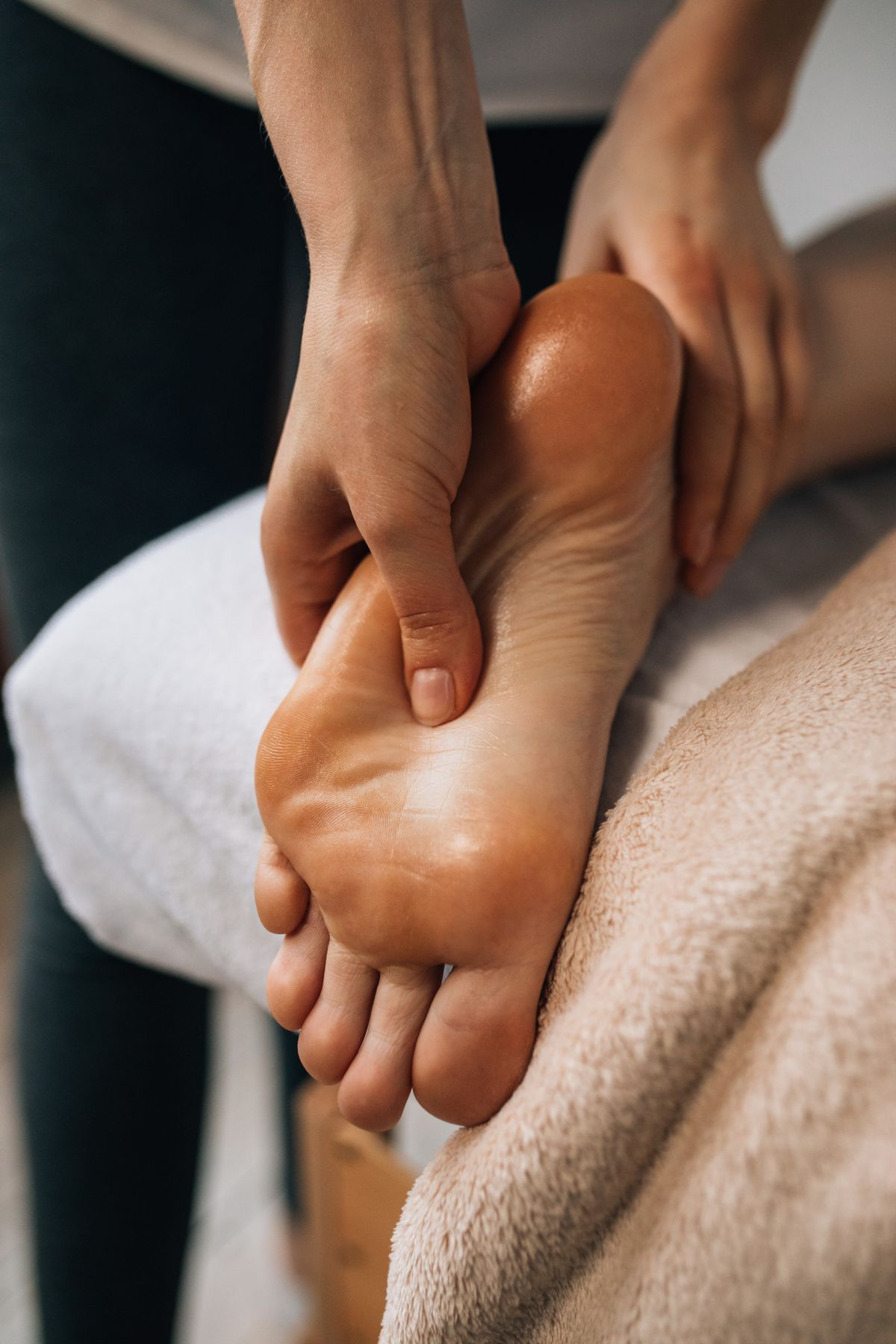
Plantar fasciitis has a signature move, and if you have it, you know it before your second step: you get out of bed, your heel hits the floor, and something under it lights up like you stepped on a stone. It usually eases as you move, lulls you into ignoring it, then greets you again tomorrow morning. Plantar fasciitis treatment in Jacksonville is something we handle year-round, because this is a town that lives on its feet, and the good news is that stubborn heels respond well once you treat the whole problem instead of just the sore spot.
What is actually going on under your heel
The plantar fascia is a thick band of tissue that runs from your heel to the ball of your foot and holds up your arch, like the string on an archery bow. Every step loads it with your body weight. When the load outpaces what the tissue can handle, the fascia gets irritated and degraded right where it anchors into the heel bone, and that anchor point is the stone-in-the-shoe spot.
Why mornings are the worst: overnight, the fascia tightens and starts to knit itself in a shortened position. Your first steps re-stretch it all at once, which is why step one is a scream and step fifty is a whisper. That pattern, sharp first-step pain that eases with movement, is the tell that separates plantar fasciitis from most other heel problems.
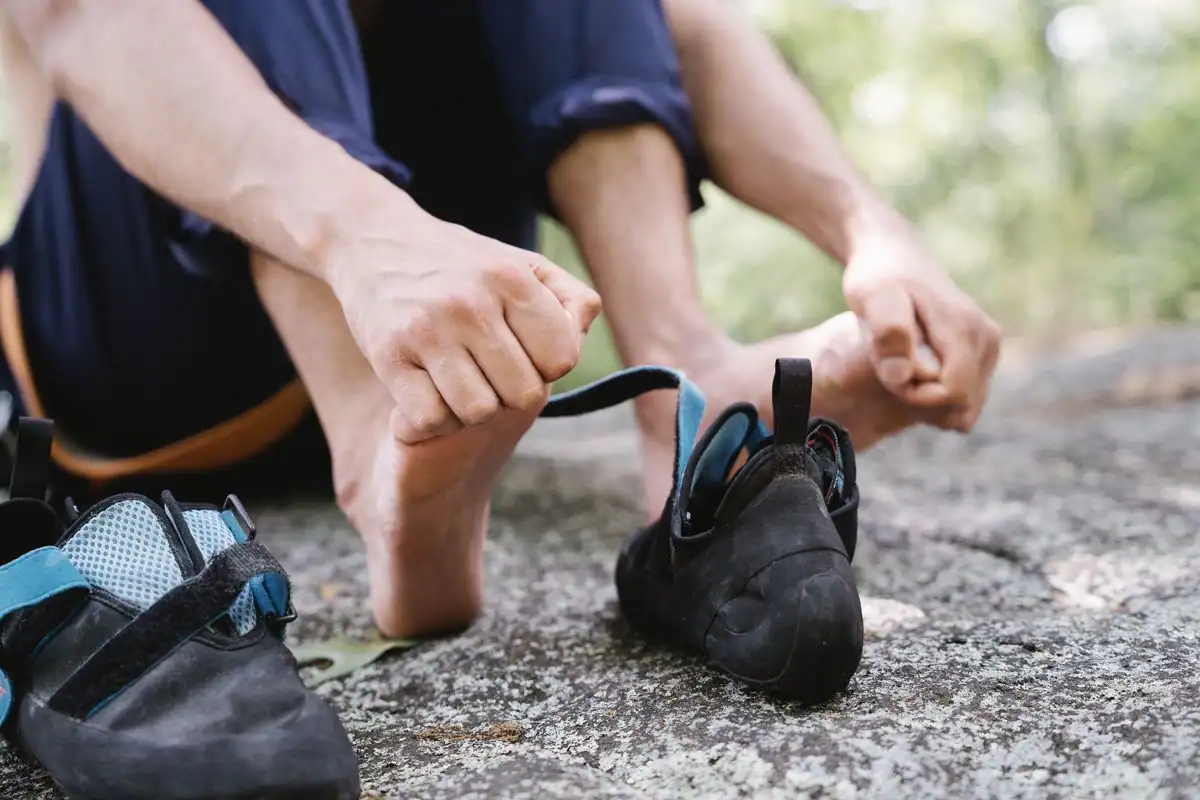
Jacksonville feeds it a steady diet: flat sandals and flip-flops most of the year, barefoot weekends on the sand, concrete floors at work, and running programs that ramp up faster than the fascia can adapt. Tight calves, flat feet, high arches, and time on your feet all raise the odds. The American Academy of Orthopaedic Surgeons notes that plantar fasciitis is one of the most common causes of pain on the bottom of the heel, and that more than 90 percent of patients improve within 10 months of starting simple treatment methods. The catch is that ten months is a long time to dread your own floor, and that is where treatment that goes beyond “stretch and wait” earns its keep.
Why the stretch-and-ice routine keeps failing you
Most people who walk in with plantar fasciitis have already tried the internet’s greatest hits: calf stretches, frozen water bottles, new shoes, maybe a gel heel cup. Those are all reasonable, and they are usually not enough on their own, for two reasons.
First, long-standing plantar fasciitis is less an inflammation problem and more a stalled-healing problem. Tissue that has been irritated for months stops actively repairing, and ice does not restart it. Second, the fascia rarely fails alone. A stiff ankle, a big toe that will not bend, tight calves, and hip weakness all dump extra load onto the fascia with every step. Treat only the heel and you leave the overload in place, which is why it keeps coming back.
How we treat plantar fasciitis at our Jacksonville office
The exam starts at the heel and works up. We confirm it is actually plantar fasciitis, check how your ankle, big toe, and hips move, and watch how you stand and walk. Then care usually combines:
- Shockwave therapy. This is the tool we reach for on stubborn heels, and plantar fasciitis is one of the conditions it was practically made for. Focused sound waves stimulate the stalled tissue to start repairing again. If you have wondered what shockwave therapy is, the heel is where it shines.
- Joint work on the foot and ankle. Chiropractic adjusting restores motion to the ankle and foot joints so the fascia stops absorbing the movement those joints refuse to do. We check the knees, hips, and low back too, because your stride is a chain.
- Soft tissue work on the calf and the fascia itself, with massage therapy when the whole lower leg has tightened up around the problem.
- A short home plan. Specific calf and fascia loading exercises, guidance on footwear for the concrete-and-sand life, and a realistic ramp back to running or long shifts.
If your heel pain started alongside a running program or a new sport, our sports injury guide explains how we handle the return-to-activity side.
When heel pain is not plantar fasciitis
Not every sore heel is the fascia, and part of the first visit is ruling out the impostors: a stress fracture that hurts more with every step rather than less, nerve pain that burns or tingles, Achilles problems that live at the back of the heel instead of the bottom, and arthritis that brings a hot, swollen joint. Numbness, night pain that will not ease, or pain after a fall deserve a medical workup first, and we will point you there if the exam says so.
Getting back on your feet, literally
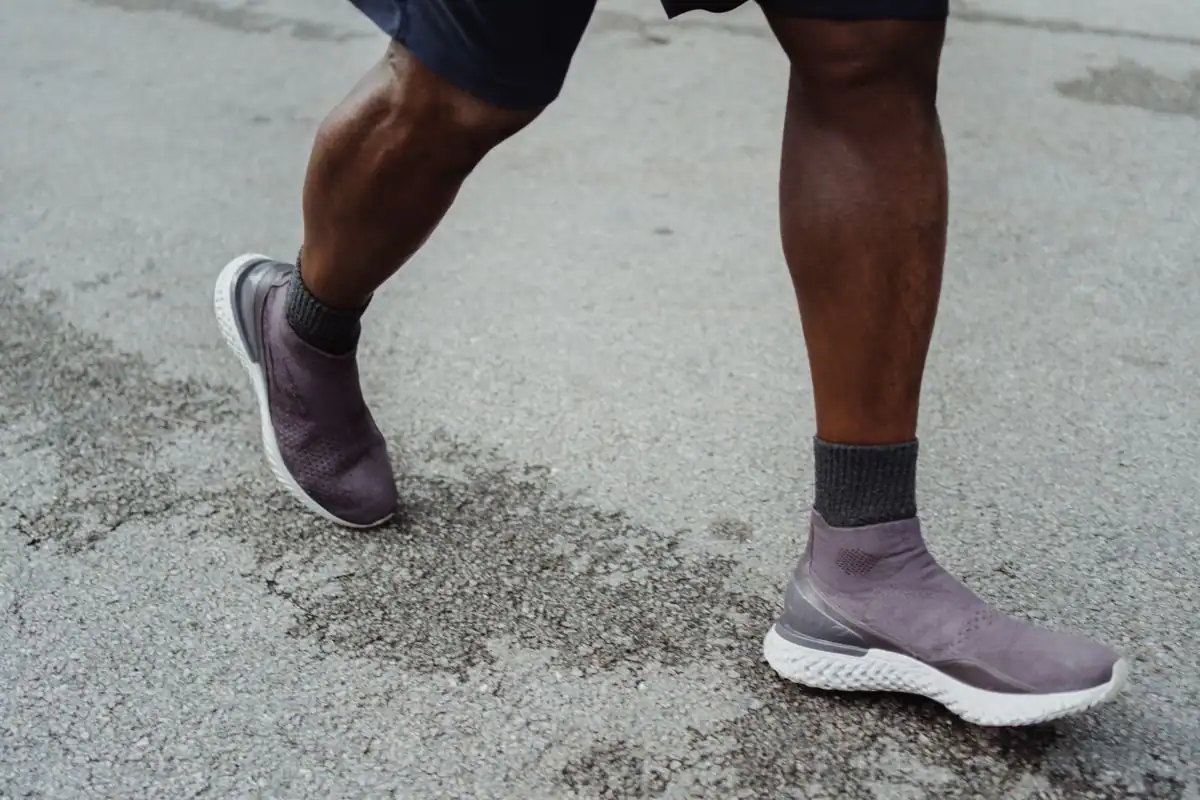
While the heel heals, you do not have to park yourself on the couch. Keep walks shorter but regular, wear supportive shoes even around the house for a while, and save the flip-flops for the shower. Loading the fascia gradually is part of the cure. Resting it completely just makes Monday’s first step worse.
Most heels start turning the corner within a handful of visits once the fascia is healing and the overload is fixed. The ones that linger are almost always the ones that waited a year to be treated, so earlier is easier.
Make the first step boring again
Plantar fasciitis treatment in Jacksonville does not have to mean months of stretching and hoping. Find out why your fascia got overloaded, restart the healing, and fix the mechanics, and mornings go back to being about coffee instead of bracing for the floor. Walk-ins are welcome at our Perimeter Park office off Southside. Call (904) 997-1349 or book a visit, and let’s make your first step of the day completely unremarkable again.
