If you’ve been living with stubborn pain that keeps coming back no matter how much rest, stretching, or over-the-counter relief you throw at it, you may be wondering whether there’s a treatment option you haven’t tried yet. For many people who reach that point, the answer is shockwave therapy — a non-invasive technology that’s quietly become one of the most effective tools modern chiropractors use to break the cycle of chronic soft-tissue pain.
Drs. Chad Shaw and Andrea Shaw have integrated shockwave into their practice as a way to help patients move past plateaus that other treatments couldn’t get them through. Below, we’ll walk through what the therapy actually is, how it works, and why it has become such a valuable addition to chiropractic care.
What Is Shockwave Therapy?
Shockwave therapy — known formally as Extracorporeal Shockwave Therapy or ESWT — is a non-invasive treatment that uses high-energy acoustic (sound) pressure waves to stimulate healing in injured tissue. A handheld device delivers rapid pulses of energy through the skin and directly into the muscles, tendons, ligaments, or fascia where you’re hurting. There are no needles, no anesthesia, and no incisions. You stay awake and comfortable the entire time, and you walk out of the office and resume your day.
The technology was originally developed for breaking up kidney stones, and clinicians soon noticed that it also encouraged healing in surrounding soft tissue. Today, Extracorporeal Shockwave Therapy is widely used in sports medicine, orthopedics, and chiropractic care to treat exactly the kinds of injuries that have a reputation for being slow to heal.
How Shockwave Therapy Actually Works
When the device pulses against your skin, those pressure waves travel into the tissue below and create a mild, controlled mechanical stress. Your body interprets that stress as an injury site that needs attention — which kicks off a cascade of natural healing responses:
- Improved blood flow. The waves stimulate the growth of small new blood vessels in the treated area, delivering oxygen and nutrients to tissue that is often under-perfused after a chronic injury.
- Breakdown of scar tissue and calcium deposits. Long-standing tendon and muscle injuries tend to accumulate fibrous scar tissue and calcified spots that limit mobility and create persistent pain. Shockwave energy mechanically disrupts those deposits so the body can clear them out.
- New collagen production. Tendons and ligaments are rebuilt from collagen, and the therapy encourages cells called fibroblasts to lay down fresh, organized collagen fibers where degeneration has set in.
- Pain signal disruption. The pressure waves appear to temporarily quiet the nerve fibers that transmit chronic pain signals, which is one reason many patients feel real relief almost immediately.
The result is a treatment that doesn’t just mask pain — it actively pushes the body back into a healing state that may have stalled out years ago. Shockwave therapy for chronic pain works with your physiology rather than around it.

How Dr. Chad Shaw and Dr. Andrea Shaw Use It
In skilled hands, shockwave is rarely used as a standalone fix. Drs. Chad and Andrea Shaw integrate it into a broader treatment plan that includes spinal adjustments, soft-tissue mobilization, corrective exercises, and lifestyle guidance. The reasoning is simple: pain at one site is often driven by dysfunction somewhere else. Loosening a tight calf, restoring proper hip mechanics, or correcting a postural pattern is often what allows shockwave’s tissue-level changes to stick.
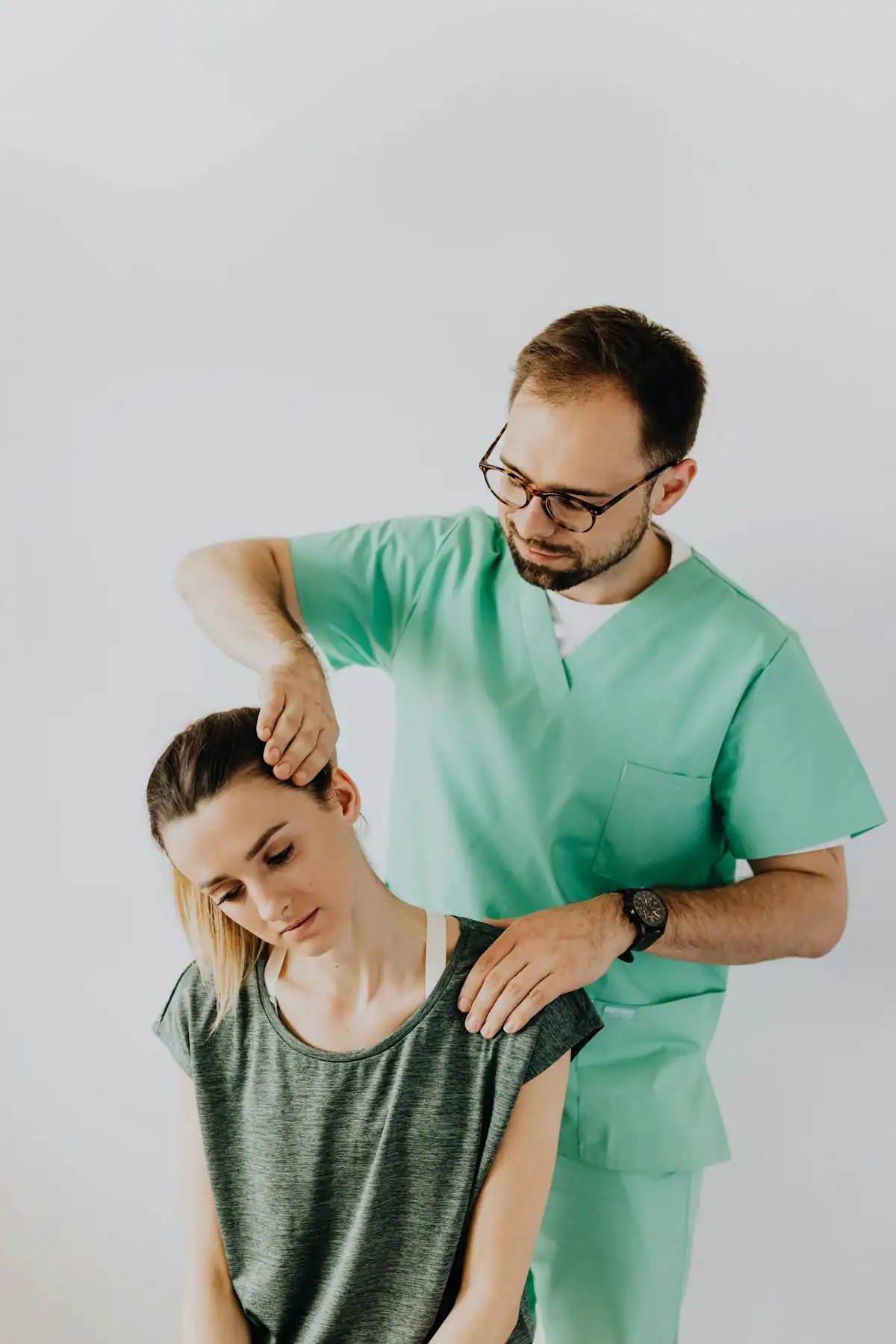
A typical visit starts with a thorough evaluation. The chiropractor identifies the source of pain, examines movement and posture, and confirms that ESWT is the right fit for what you’re dealing with. From there, shockwave therapy services become one piece of a coordinated approach designed around your specific condition.
Conditions That Respond Especially Well
Shockwave therapy has been studied across a wide range of musculoskeletal conditions, and it’s particularly effective for the slow, frustrating injuries that often refuse to respond to rest alone. Common examples include:
- Plantar fasciitis and chronic heel pain
- Achilles tendinopathy
- Rotator cuff and shoulder pain, including calcific tendinitis
- Tennis elbow and golfer’s elbow
- Patellar tendinitis (jumper’s knee)
- IT band syndrome
- Hip pain related to gluteal or trochanteric tendinopathy
- Chronic muscle tension, trigger points, and myofascial pain
If you’ve cycled through physical therapy, cortisone injections, ice, or extended rest with only short-term results, this is exactly the kind of treatment worth a serious look. Non-invasive shockwave treatment is often the missing piece for injuries that have refused to fully resolve.
What to Expect at a Session
Each treatment session is short — usually 15 to 20 minutes from start to finish. The clinician applies a small amount of gel to the skin and moves the handpiece over the targeted area, adjusting intensity to your comfort level. You’ll feel a tapping or thumping sensation; many patients describe it as intense but manageable, especially in the most tender spots.
Most treatment plans involve three to six sessions spaced about a week apart, which gives the body time to respond between visits. Mild soreness for a day or two afterward is normal and is actually a sign that the healing process is underway. Many people start to notice meaningful improvement after the second or third session, with continued gains in the weeks that follow as new collagen matures. There’s no downtime — you can return to your normal activities right away.

Why Shockwave Pairs So Well with Chiropractic Care
Chiropractic care has always been about helping the body move and function the way it’s designed to. Shockwave therapy fits naturally into that philosophy because it targets the soft-tissue components — the tendons, muscles, and fascia — that often hold back full recovery even after the joints are moving well. By combining manual adjustments and massage therapy with regenerative shockwave technology, chiropractors address both the structural and the cellular sides of an injury in the same visit.
For patients, that means fewer dead ends and a faster path back to the things they want to do — whether that’s running pain-free, picking up their kids without wincing, or simply waking up without that familiar ache in the shoulder, heel, or knee. If chronic pain has been calling the shots in your life, shockwave therapy may be the change that finally tips the scales in your favor.
