
Nothing shrinks your world faster than an injury that takes away the thing you love doing. The Saturday golfer nursing a cranky low back, the runner whose knee lit up at mile four, the volleyball player whose shoulder now complains on every serve. A chiropractor for sports injuries in Jacksonville looks past the sore spot to the mechanics that produced it, because until those change, the injury keeps coming back. Here is how that works and when it makes sense to come see us.
The sports injuries we see most in Jacksonville
Jacksonville is an outdoor town. Between beach volleyball, year-round golf, rec leagues, pickup ball, and the training runs that stack up before the Gate River Run, there is no off season here, and the injuries reflect it:
- Sprains and strains. Rolled ankles, pulled hamstrings, strained groins. The everyday soft tissue injuries that heal wrong when you just rest them and hope.
- Shoulder trouble from overhead sports. Swimming, serving, throwing, and pressing all squeeze the rotator cuff. We wrote a whole guide on shoulder pain if that is your problem child.
- Runner’s knee and IT band pain. Usually less about the knee and more about what the hip and foot are doing on every stride.
- Tennis and golfer’s elbow. Stubborn tendon irritation that laughs at a week off.
- Low back flare-ups. The golf swing, the deadlift, the long bike ride. The low back is where poor mechanics elsewhere send the bill.
The weekend warrior problem
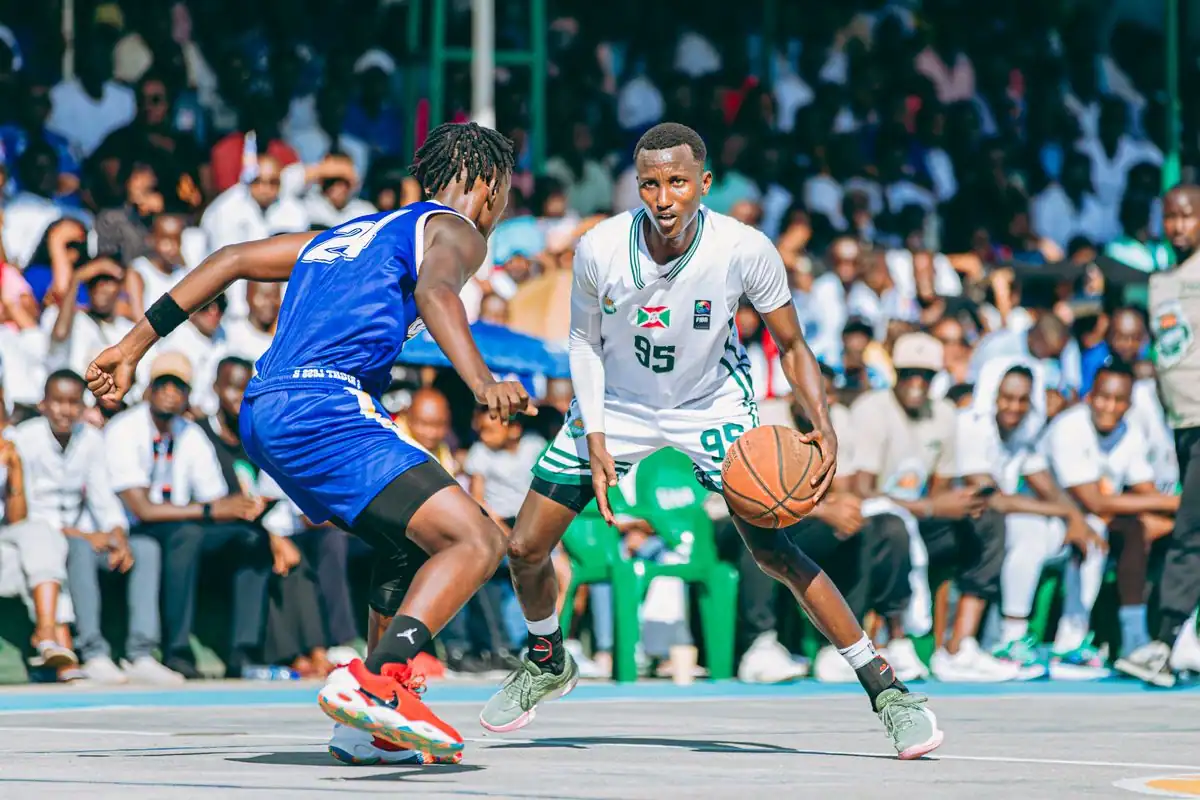
Most of the sports injuries that walk through our door do not come from car crashes on the court. They come from doing a lot on Saturday after doing almost nothing Monday through Friday. A body that sits forty hours a week loses hip rotation, ankle mobility, and mid back extension, and then the weekend asks it to sprint, cut, and swing anyway. Something has to give, and it is usually a joint or tendon downstream of the stiff spot.
That is why treating only where it hurts so often fails. The sore knee gets ice and a brace, but the locked-up hip that overloaded it never gets addressed, and three weeks after you return, the same knee flares again. Finding that upstream problem is most of the job.
What sports injury care looks like here
The visit starts the same way whether you are a high school athlete or a fifty-year-old tennis player: a real exam. We watch you move the way your sport moves you, test the joints above and below the painful one, and figure out which tissues are injured and which mechanics let it happen. Then care usually combines a few things from our sports injury program:
- Adjustments to restore motion in the restricted joints, spine and extremities alike. Ankles, wrists, and shoulders respond to adjusting just like the low back does.
- Soft tissue work and massage therapy to settle guarded muscles and help strained tissue organize as it heals.
- Shockwave therapy for the stubborn stuff. Tendon problems like tennis elbow, jumper’s knee, and plantar fasciitis that have plateaued for months often wake up and start healing with it.
- A graded return plan. Not “rest until it stops hurting,” which mostly teaches tissue to be weak, but a step-by-step ramp back to your sport with a couple of exercises that fix the mechanics that started this.
For perspective on the basics, the American Academy of Orthopaedic Surgeons notes that treatment for most sprains and strains starts with rest, ice, compression, and elevation, followed by simple exercises to restore motion and a careful, gradual return to activity. That is exactly the lane conservative sports injury care lives in.
When to skip us and go straight to a doctor
Some injuries need imaging or an orthopedic consult first, and we will tell you so in the exam if we spot one. Go directly to urgent care or an ER if you heard a loud pop followed by rapid swelling, cannot put weight on the leg at all, see a joint sitting at a wrong angle, or have numbness that is spreading. Head injuries are their own category: any suspected concussion gets medically cleared before anyone worries about your alignment.
Everything short of that, from the ankle you keep re-rolling to the elbow that will not let you finish a match, is fair game for conservative care.
Coming back without breaking again
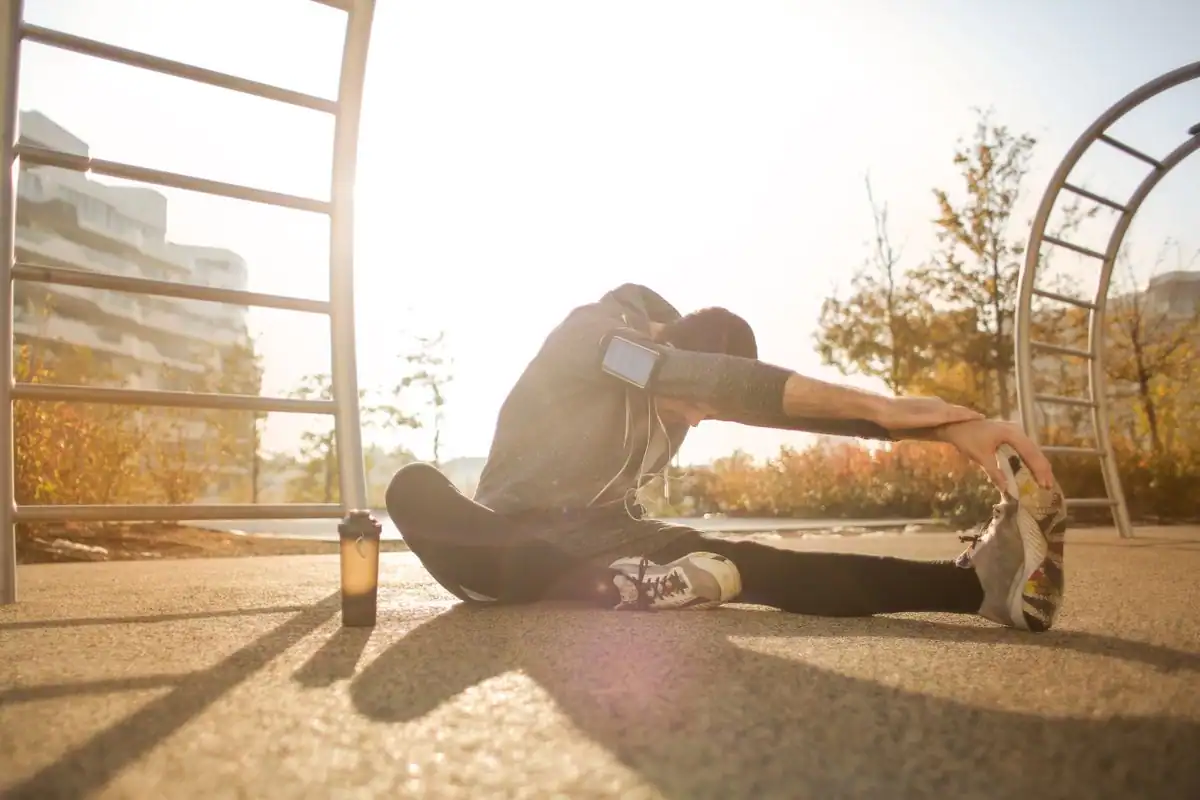
The best sports injury is the one that never happens, and the second best is the one that never happens twice. A few habits do most of the protective work:
- Warm up by moving, not just stretching. Five minutes of easy jogging, arm circles, and practice swings prepares tissue better than ten static stretches on cold muscles.
- Respect the ramp. Whatever you are increasing, mileage, weight, or match play, keep the weekly jump modest. Most overuse injuries are just math: load went up faster than tissue could adapt.
- Keep the engine maintained. Hips, ankles, and mid back that move well spread the workload the way they are supposed to. This is where periodic chiropractic care earns its keep for athletes who are not currently hurt.
Get back out there
An injury does not have to be the end of your season, and it definitely should not become your new normal. A chiropractor for sports injuries in Jacksonville can usually tell you within one visit what is hurt, why it happened, and what the road back looks like. Walk-ins are welcome at our Perimeter Park office off Southside. Call (904) 997-1349 or book a visit, and let’s get you back in the game.
